Planning a Commercial Panel Replacement for Reliable Capacity
When a business grows or changes how it uses its space, the electrical system that once worked fine can start showing its age. Lights may flicker when equipment kicks on. A breaker trips during a routine afternoon. The facility manager starts scheduling more and more resets. At some point, the pattern becomes clear: the distribution panel that feeds the space is no longer a match for what the business needs.
A commercial panel replacement is the process of swapping out an existing electrical panel for one that can handle the current load and meet modern code requirements. It is not a small job. It involves planning, coordination with the utility, a temporary shutdown of power, and careful work by a licensed electrician. But for a business that depends on reliable power to serve customers, run equipment, or keep data safe, the planning effort pays off in fewer disruptions and room to grow.
Why a panel replacement becomes necessary
Commercial buildings change over time. A retail store might add refrigeration cases. An office might install a server room. A light manufacturing space might upgrade its machinery. Each new piece of equipment adds to the total electrical demand. The original distribution panel, which was sized for the building's first use, may not have the spare capacity to feed these new loads safely.
Another common reason is age. Panels from the 1970s or 1980s may use obsolete breaker designs, lack arc-fault protection, or have bus bars that are no longer rated for the loads they serve. When a panel is old, finding replacement breakers becomes difficult, and the risk of a fault increases.
Sometimes the trigger is a tenant improvement. When a space is being remodeled for a new tenant, the building department often requires the electrical system to be brought up to current code. That can mean replacing a panel that does not meet modern standards for grounding, clearance, or short-circuit rating.
Understanding the panel and the load
Before any work begins, a detailed assessment of the existing panel and the loads it feeds is essential. This is where the concept of a load schedule comes in. A load schedule lists every circuit in the panel, the equipment it serves, and the amperage draw of that equipment. By adding up the loads and comparing them to the panel's rating, an electrician can determine whether the panel is overloaded or near its limit.
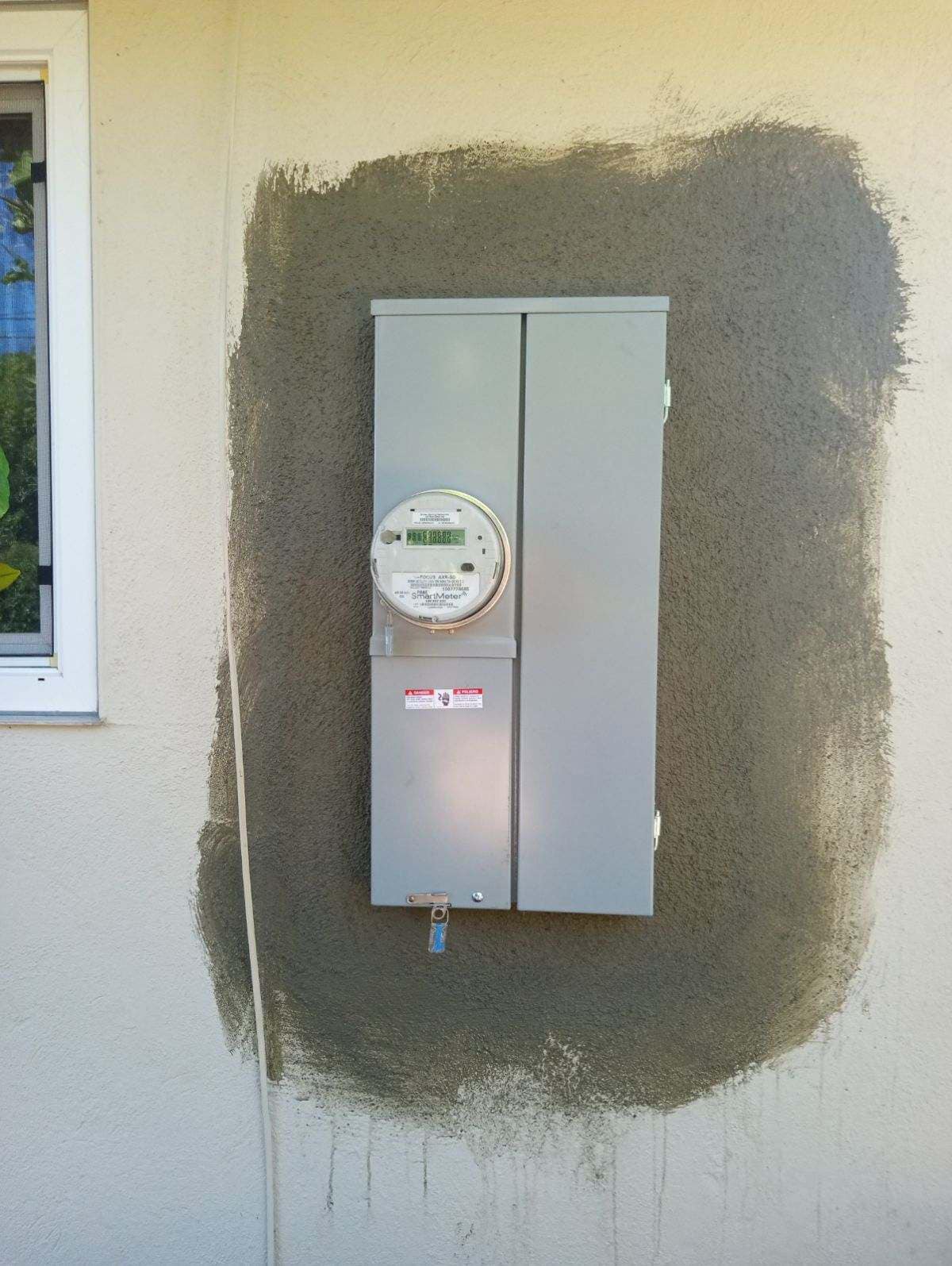
For a business that runs three phase power, the math is a bit more involved. Three phase power is common in commercial and industrial settings because it runs larger motors and equipment more efficiently than single phase. But it also means the panel must be balanced across all three phases. If one phase carries much more load than the others, the panel can overheat and trip breakers unnecessarily.
Equipment load is another factor to consider. Some pieces of equipment, such as compressors or pumps, draw a high inrush current when they start. If the panel's breakers are not sized for that momentary surge, nuisance tripping can occur. A panel replacement gives the opportunity to size each circuit correctly, not just for the running load but for the starting surge.
Planning the shutdown
One of the biggest concerns for a business during a panel replacement is the electrical shutdown. Power must be turned off to the panel while it is being swapped out. For a commercial tenant, that can mean lost sales, halted production, or interrupted services. The key is to plan the shutdown carefully.
A good plan involves coordinating with the facility manager to choose a time that minimizes impact. For many businesses, that means a weekend, a holiday, or after hours. For a 24-hour operation, it might mean arranging for temporary power or scheduling the work during a slow period. The electrician will also need to coordinate with the utility if the service entrance requires a disconnect or a new meter.
During the shutdown, all circuits feeding the panel are de-energized. The old panel is removed, the new panel is installed, and each circuit is reconnected. The electrician then tests each circuit to confirm it is working correctly and that the breakers are properly sized. The whole process can take several hours to a full day, depending on the size of the panel and the number of circuits.
What a new panel provides
A modern distribution panel offers several advantages over an older one. First, it provides more capacity. If the business has added equipment since the original panel was installed, the new panel can be sized to handle the current load plus some room for future growth. That spare capacity means fewer upgrades down the road.
Second, a new panel improves safety. Modern panels include arc-fault protection, better insulation, and enclosures that reduce the risk of electrical shock. They also comply with current codes, which is important for insurance and for passing inspections.
Third, a new panel allows for better organization. Many newer panels come with spaces for labeled circuits, which makes it easier for the facility manager to identify which breaker feeds which area. That simple improvement can save time during maintenance or an emergency.

Working with a qualified professional
Commercial panel replacement is not a do-it-yourself task. The work involves high voltage, coordination with the utility, and knowledge of the National Electrical Code. A qualified electrician will perform the load calculation, obtain the necessary permits, and handle the installation. For businesses in Santa Clara and nearby Bay Area communities, Wooding Electric provides electrical panel assessments, upgrades, replacements, and related capacity work. Their team can evaluate the existing system and recommend a panel that fits the business's current and future needs.
When a business works with a professional, the process typically starts with a site visit. The electrician examines the existing panel, reviews the equipment loads, and discusses the business's plans for growth. Based on that information, they can size the new panel and create a timeline for the replacement. They also handle the permitting and inspection process, which ensures the work meets local code requirements.
Cost considerations and long-term value
The cost of a panel replacement varies based on the size of the panel, the complexity of the installation, and the labor involved. While the upfront cost can feel significant, it is important to weigh it against the cost of downtime from repeated breaker trips or the risk of an electrical fire. A panel that is overloaded or outdated can cause problems that affect every part of the business, from production to data integrity.
In many cases, a panel replacement also increases the value of the property. A modern electrical system is attractive to potential buyers or tenants, especially those who need high capacity for equipment or servers. It also reduces the likelihood of costly emergency repairs later.
Planning ahead for future growth
A panel replacement is a good time to think about the future. If the business expects to add more equipment in the next few years, it makes sense to install a panel that has extra spaces and a higher rating than is needed today. The cost difference between a panel that barely meets current needs and one that allows for growth is often small compared to the cost of another replacement down the road.
It is also worth considering the type of loads the business will add. If the business is moving toward electric vehicles, for example, the panel may need to support EV charging stations. If the business is adding HVAC equipment, the panel must be able to handle the motor loads. A forward-looking load schedule helps the electrician design a system that will serve the business well for many years.
What the process means for the facility manager
For the facility manager, a panel replacement is a project that requires coordination and communication. They need to work with the electrician to schedule the shutdown, notify tenants or employees about the outage, and prepare for any temporary power needs. After the installation, they will have a panel that is easier to maintain, with clearly labeled circuits and modern breakers. They will also have peace of mind knowing that the electrical system is safe and reliable.
The facility manager should also plan for a brief period of adjustment. After the new panel is installed, some equipment may need to be re-tested or re-started. The electrician will typically verify each circuit, but the facility manager should keep a list of critical equipment to ensure everything is back online before the space is fully occupied.
Making the decision
Deciding to replace a commercial panel is not something a business does lightly. It requires an upfront investment and a temporary interruption of power. But for a business that depends on reliable electrical service, the benefits of a modern, properly-sized panel often outweigh the costs. The key is to plan ahead, work with a qualified electrician, and choose a panel that meets both current demands and future growth.
By taking a thoughtful approach to commercial panel replacement, a business can avoid the frustration of repeated outages, reduce the risk of electrical hazards, and create a foundation for reliable operation for years to come. Whether the trigger is an aging panel, a tenant improvement, or a growing load, the planning process ensures that the new panel is the right fit for the business's needs.